☰

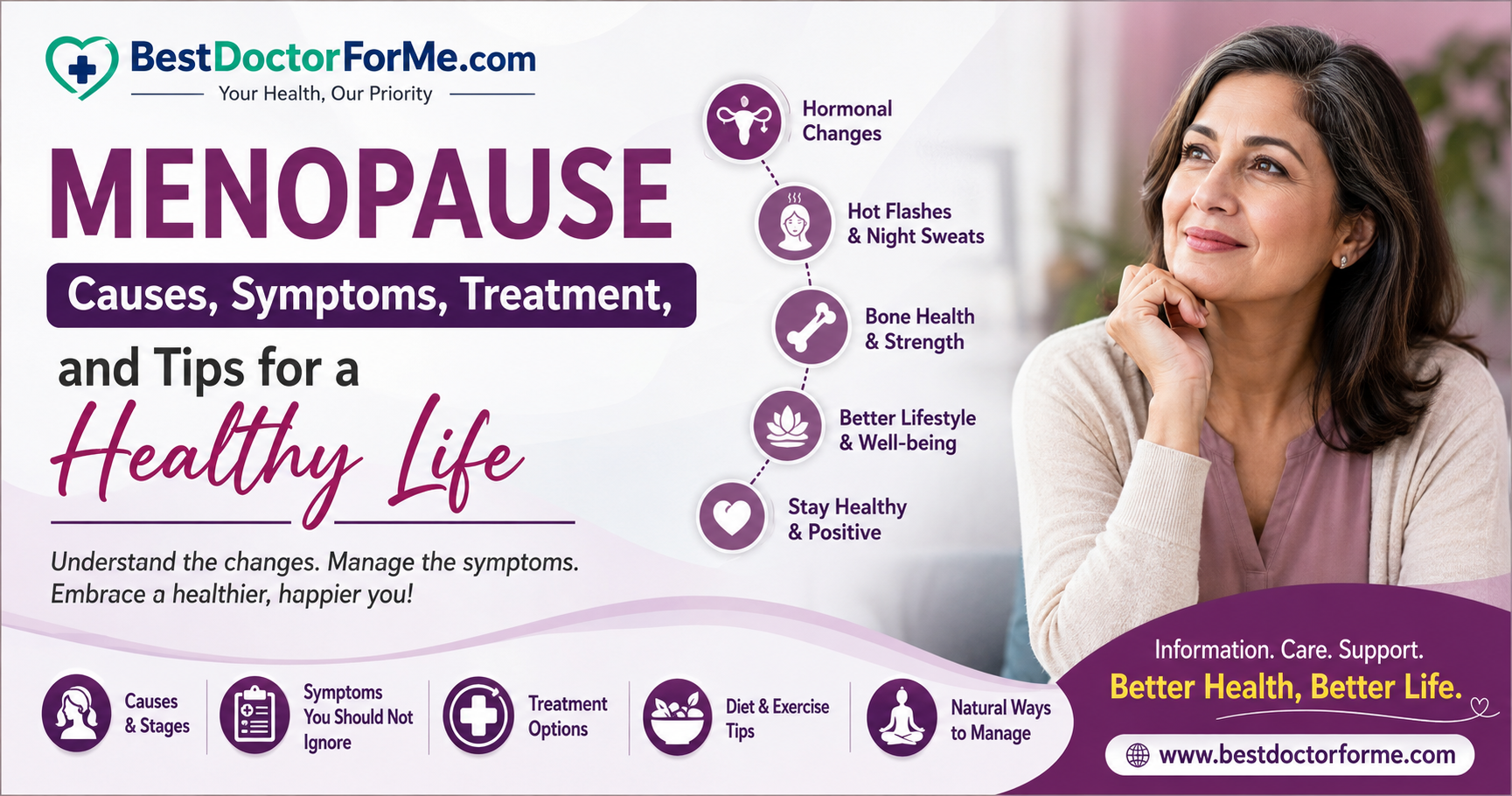
Menopause is a natural stage in every woman's life that marks the end of her menstrual cycles. It usually occurs between the ages of 45 and 55 years, although some women may experience it earlier or later. Menopause is not a disease but a biological process caused by a decline in reproductive hormones, especially estrogen and progesterone.
While menopause is a normal part of aging, its symptoms can affect a woman's physical, emotional, and mental well-being. Understanding menopause and learning how to manage its symptoms can help women maintain a healthy and active lifestyle.
Menopause is officially diagnosed when a woman has gone 12 consecutive months without a menstrual period and there is no other medical cause.
The transition toward menopause is called perimenopause, during which hormone levels fluctuate and symptoms begin to appear.
Begins several years before menopause
Hormone levels fluctuate
Irregular menstrual cycles
Hot flashes may begin
No menstrual periods for 12 consecutive months
Estrogen production drops significantly
Begins after menopause
Symptoms like hot flashes usually decrease
Increased risk of osteoporosis and heart disease
Menopause occurs naturally due to declining ovarian function. Other causes include:
Women may experience different symptoms depending on hormone levels.
The decrease in estrogen affects multiple organs, including:
This hormonal change causes many of the symptoms associated with menopause.
You may experience menopause earlier if you:
Without proper care, menopause can increase the risk of:
Doctors may diagnose menopause based on:
Sometimes they recommend:
FSH (Follicle Stimulating Hormone) test
Estradiol level
Thyroid function tests (to rule out other conditions)
Treatment depends on symptom severity.
1. Hormone Replacement Therapy (HRT)
Can relieve:
HRT should only be taken under medical supervision.
Doctors may prescribe medications for:
Helpful for:
Lifestyle changes can greatly reduce symptoms.
Eat a Healthy Diet
Include:
Aim for at least 30 minutes daily.
Best exercises:
Exercise helps maintain bone strength, improve mood, and control weight.
Menopause cannot be prevented because it is a natural biological process. However, healthy habits can reduce symptoms and lower the risk of complications.
Consult a healthcare professional if you experience:
Most women experience menopause between 45 and 55 years, with the average age being around 51 years.
Yes. Pregnancy is still possible until menopause is confirmed (12 months without periods). Continue using contraception if pregnancy is not desired.
Hormonal changes and aging can make weight gain more likely, but a healthy diet and regular exercise can help manage weight.
HRT can be very effective for some women, but it is not suitable for everyone. Discuss the benefits and risks with your doctor.
Symptoms may last from a few months to several years, depending on the individual.
Menopause is a natural transition that every woman experiences. Although symptoms like hot flashes, mood swings, sleep problems, and vaginal dryness can be challenging, they can often be managed through healthy lifestyle changes, balanced nutrition, regular exercise, stress management, and appropriate medical treatment when needed. Early awareness and regular health check-ups can help women stay healthy, active, and confident during this stage of life.
Subscribe to keep yourself updated with latest articles and health news.
Copyright © 2024, BestDoctorForMe.com. All rights reserved.