☰

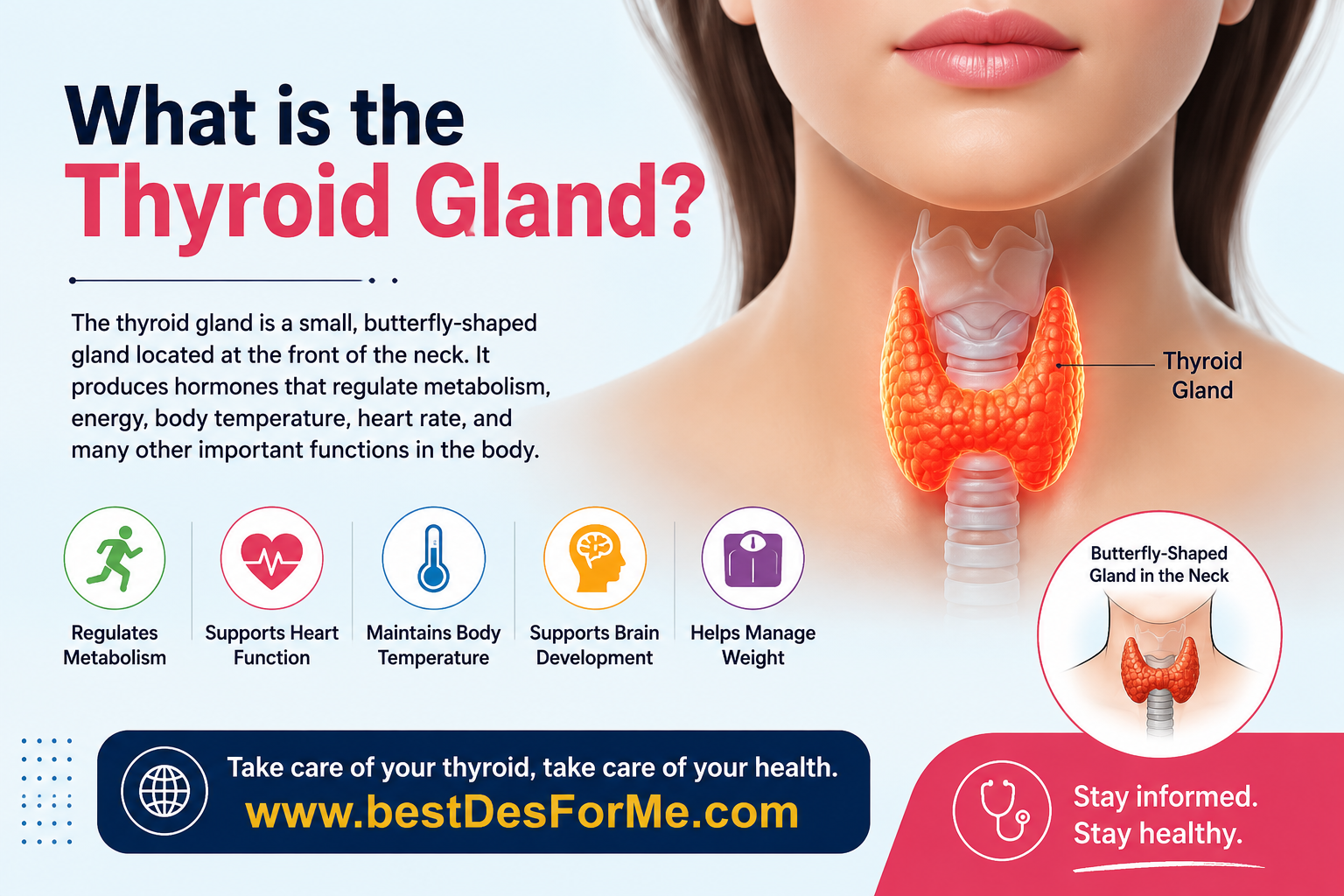
Thyroid problems are becoming increasingly common among people of all age groups, especially women. The thyroid gland plays an important role in controlling metabolism, energy levels, body temperature, and hormonal balance. When the thyroid does not function properly, it can affect many parts of the body and overall health.
What is the Thyroid Gland?
The thyroid is a small butterfly-shaped gland located in the front of the neck. It produces hormones that regulate many important body functions, including:
Metabolism
Heart rate
Body temperature
Energy production
Growth and development
When the thyroid produces too little or too much hormone, thyroid disorders may develop.
Common Types of Thyroid Problems
1. Hypothyroidism (Underactive Thyroid)
Hypothyroidism occurs when the thyroid gland does not produce enough hormones.
Common Symptoms:
Weight gain
Fatigue and weakness
Dry skin and hair fall
Feeling cold frequently
Depression or low mood
Constipation
Irregular periods
2. Hyperthyroidism (Overactive Thyroid)
Hyperthyroidism happens when the thyroid produces excessive hormones.
Common Symptoms:
Sudden weight loss
Rapid heartbeat
Anxiety and irritability
Sweating
Tremors in hands
Increased appetite
Difficulty sleeping
Causes of Thyroid Problems
Several factors can contribute to thyroid disorders, including:
Family history
Autoimmune diseases
Hormonal changes
Stress
Iodine deficiency
Pregnancy
Certain medications
Women are more likely to develop thyroid problems due to hormonal fluctuations during menstruation, pregnancy, and menopause.
Risk Factors
People at higher risk include:
Women above 30 years
Pregnant women
People with family history of thyroid disease
Individuals with diabetes or autoimmune disorders
Older adults
Diagnosis of Thyroid Disorders
Doctors may recommend the following tests:
TSH (Thyroid Stimulating Hormone) test
T3 and T4 hormone tests
Thyroid ultrasound
Antibody tests in some cases
Early diagnosis helps control symptoms and prevent complications.
Treatment for Thyroid Problems
Treatment depends on the type and severity of the thyroid disorder.
For Hypothyroidism:
Thyroid hormone replacement medicines
Regular monitoring of hormone levels
For Hyperthyroidism:
Anti-thyroid medications
Radioactive iodine therapy
Surgery in severe cases
Doctors may also suggest lifestyle and dietary changes for better thyroid management.
Foods Helpful for Thyroid Health
A healthy diet can support thyroid function. Beneficial foods include:
Iodine-rich foods
Dairy products
Eggs
Fish
Nuts and seeds
Green vegetables
Fruits rich in antioxidants
It is also important to avoid excessive processed foods and maintain a balanced lifestyle.
Tips to Maintain Thyroid Health
Exercise regularly
Manage stress levels
Get enough sleep
Follow prescribed medications regularly
Have routine thyroid checkups
Maintain a healthy diet
When Should You Consult a Doctor?
Seek medical advice if you notice:
Sudden weight changes
Persistent fatigue
Hair fall
Mood changes
Neck swelling
Irregular menstrual cycles
Fast or irregular heartbeat
Ignoring thyroid problems may lead to complications affecting the heart, fertility, metabolism, and mental health.
Final Thoughts
Thyroid problems are common but manageable with proper diagnosis, treatment, and lifestyle care. Regular health checkups and awareness of symptoms can help detect thyroid disorders early and improve overall quality of life.
For more health-related information and expert guidance, visit
www.BestDoctorForMe.com
Subscribe to keep yourself updated with latest articles and health news.
Copyright © 2024, BestDoctorForMe.com. All rights reserved.