☰

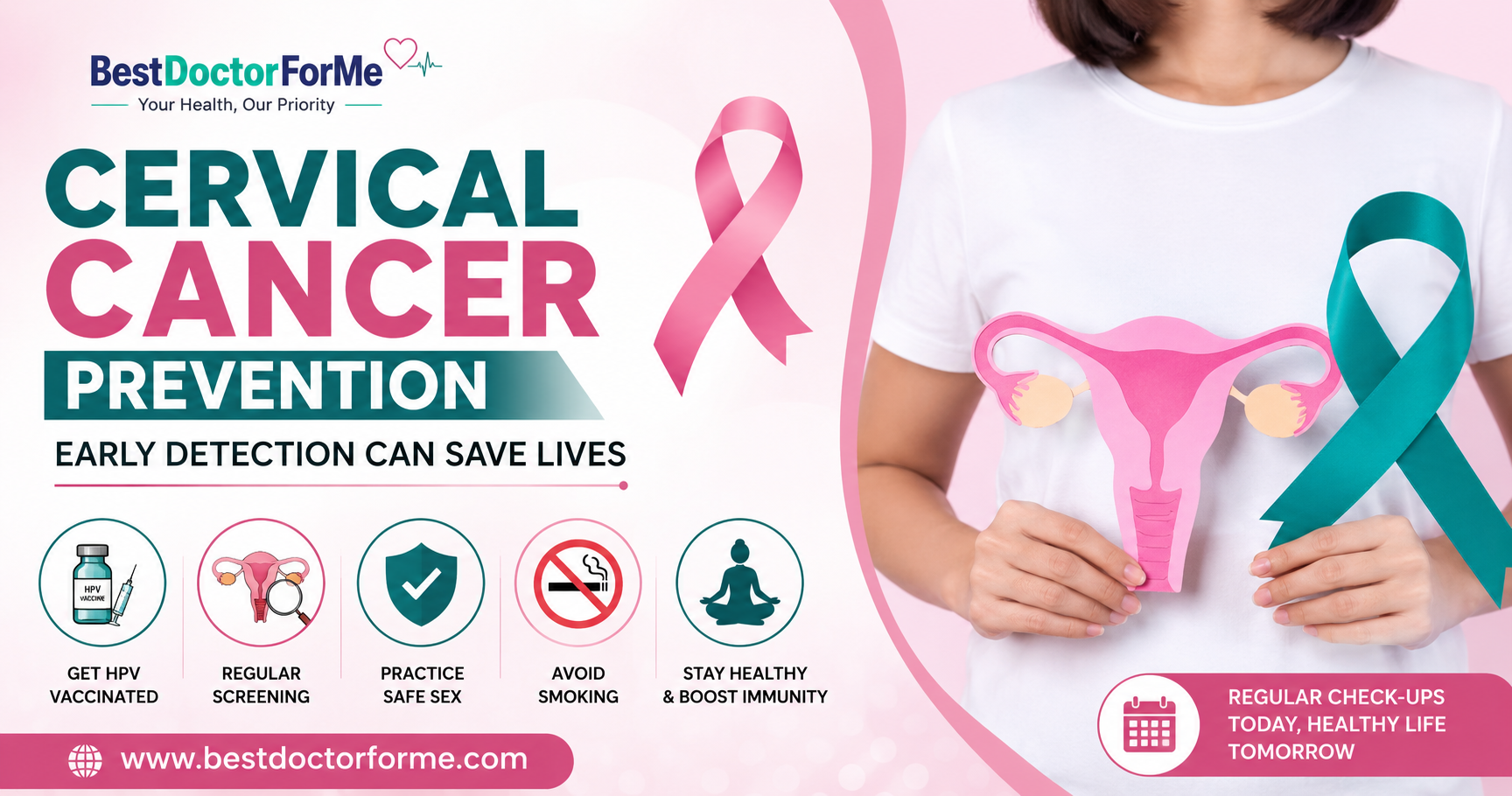
Cervical cancer is one of the most common cancers affecting women worldwide. The good news is that it is also one of the most preventable types of cancer. With regular screening, HPV vaccination, and healthy lifestyle choices, the risk of developing cervical cancer can be significantly reduced.
Understanding the causes, risk factors, and preventive measures can help women protect their health and detect problems early when treatment is most effective.
Cervical cancer develops in the cervix, the lower part of the uterus that connects to the vagina. Most cases are caused by a persistent infection with the Human Papillomavirus (HPV), a common virus that spreads through sexual contact.
While many HPV infections go away on their own, some high-risk types can cause abnormal cervical cells that may eventually develop into cancer if left untreated.
The primary cause is a long-term infection with high-risk HPV types, especially HPV-16 and HPV-18.
In the early stages, cervical cancer often does not cause noticeable symptoms. As it progresses, women may experience:
If any of these symptoms persist, consult a gynecologist promptly.
Women may have a higher risk if they:
The HPV vaccine is one of the most effective ways to prevent cervical cancer.
It protects against the HPV types responsible for most cervical cancer cases.
Vaccination is recommended before becoming sexually active, but many adults can still benefit after consulting a healthcare provider.
Routine screening helps detect abnormal cervical cells before they become cancerous.
Women should follow the screening schedule recommended by their doctor based on age and medical history.
Using protection during sexual activity helps reduce the risk of HPV and other sexually transmitted infections.
Smoking weakens the immune system and increases the risk of cervical cancer by making it harder for the body to clear HPV infection.
A healthy immune system helps the body fight HPV infection.
Support immunity by:
Proper genital hygiene and regular gynecological check-ups contribute to overall reproductive health.
A healthy diet cannot prevent cervical cancer on its own but supports immune function.
Include:
Drink plenty of water and limit processed foods and sugary drinks.
If screening shows abnormal results, doctors may recommend:
Colposcopy
Cervical biopsy
HPV testing
MRI or CT scan (if cancer is suspected)
Early diagnosis greatly improves treatment outcomes.
Treatment depends on the stage of the disease and may include:
Early-stage cervical cancer often has an excellent prognosis when treated promptly.
Although no prevention method is 100% effective, the combination of:
can prevent the majority of cervical cancer cases or detect them early when they are highly treatable.
Subscribe to keep yourself updated with latest articles and health news.
Copyright © 2024, BestDoctorForMe.com. All rights reserved.